Chronic joint pain from arthritis, injury, or degeneration doesn't have to mean a lifetime of painkillers or inevitable surgery. Regenerative medicine can actually repair damaged cartilage, reduce inflammation, and restore joint function at the cellular level.
At Longevity Healthcare, Dr. Peter Muran combines stem cell therapy, peptides, PRP, and targeted IV anti-inflammatory protocols to address the root cause of joint pain—not just mask the symptoms.
Joint degeneration occurs when the rate of cartilage breakdown exceeds your body's ability to repair it. Chronic inflammation, nutrient deficiency, and reduced growth factor production accelerate this process.
Conventional medicine offers pain management (NSAIDs, steroid injections) or surgery (joint replacement). Regenerative medicine offers a third option: stimulate your body to rebuild damaged tissue.
Stem cells and exosomes stimulate new cartilage growth in damaged joints.
IV anti-inflammatory protocols address the systemic inflammation driving joint destruction.
Rebuild joint structure and function to restore pain-free movement.
Many patients avoid or delay joint replacement surgery with regenerative protocols.
Dr. Peter Muran combines image-guided stem cell and PRP injections with systemic IV anti-inflammatory protocols, peptide therapy, and nutritional support to create comprehensive joint restoration programs that address both local damage and systemic inflammation.
Our comprehensive approach combines multiple modalities for maximum effectiveness.
Mesenchymal stem cells injected directly into damaged joints to regenerate cartilage, reduce inflammation, and restore function.
Stem Cell Therapy →BPC-157 and TB-500 peptides accelerate tendon, ligament, and cartilage healing while reducing inflammation systemically.
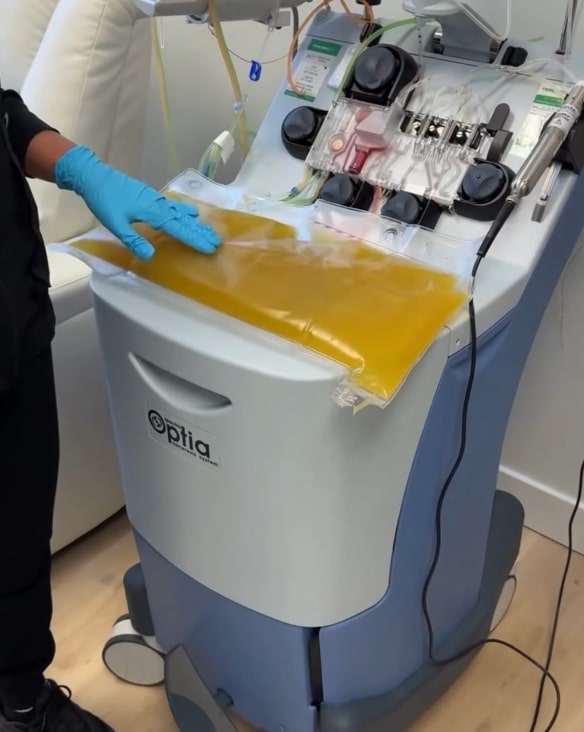
Peptide Therapy →Platelet-Rich Plasma concentrates your own growth factors and injects them into damaged joints to stimulate natural healing.
Exosomes deliver growth factors and genetic instructions that enhance stem cell effectiveness and accelerate tissue repair.
Exosome Therapy →IV curcumin, glutathione, and omega-3 formulations to reduce systemic inflammation driving joint destruction.
IV Therapy →Prolozone injections combine ozone with nutrients to stimulate joint healing and reduce pain.
Ozone Therapy →
Our approach goes beyond pain relief to actual tissue regeneration:
Assessment: Imaging and physical exam to evaluate joint damage severity and identify the best regenerative approach.
Stem Cell Activation: Injected stem cells differentiate into chondrocytes (cartilage cells) and release anti-inflammatory signals.
Growth Factor Cascade: PRP and exosomes amplify the regenerative signal, recruiting your body's own repair mechanisms.
Systemic Support: IV anti-inflammatory protocols and peptides reduce the systemic inflammation that accelerates joint degradation.
Tissue Regeneration: Over 3-6 months, new cartilage forms, inflammation subsides, and joint function progressively improves.
The most common joint condition. Stem cell therapy can regenerate knee cartilage and delay or avoid replacement.
Regenerative injections accelerate tendon healing. Combined with peptide therapy for systemic repair.
Facet joint and disc degeneration respond to regenerative approaches. Part of our regenerative medicine program.
Rheumatoid and psoriatic arthritis involve immune dysfunction. See our autoimmune protocols.
Accelerate healing after joint surgery with stem cells, PRP, and peptides to optimize outcomes.
Sports-related joint and tendon damage responds exceptionally well to regenerative medicine approaches.
Don't let joint pain control your life. Schedule a comprehensive consultation with Dr. Muran to create your personalized treatment plan.
Answers about joint pain and our treatment approach.
In many cases, yes. Stem cell and PRP therapy can regenerate cartilage and reduce inflammation enough to restore function and eliminate pain. Results depend on the severity of joint damage—earlier intervention yields better outcomes.
Most patients notice initial improvement in pain and inflammation within 2-4 weeks. Significant cartilage regeneration and functional improvement typically develop over 3-6 months as new tissue forms.
The injection procedure involves minimal discomfort, similar to a cortisone shot. We use image guidance for precision placement. Most patients experience mild soreness for 1-2 days after treatment.
A typical joint protocol involves 1-3 stem cell or PRP treatments spaced 4-6 weeks apart, combined with ongoing peptide therapy and IV support. The number depends on joint damage severity and individual response.
Most insurance plans do not cover regenerative medicine procedures. However, HSA/FSA funds can be used. We provide detailed treatment plans with transparent pricing at your consultation.
We regularly offer special pricing on our most popular treatments — from IV Infusion Therapy and ExoMind™ Brain Wellness to Regenerative Medicine and more. Call today to ask about current offers.
Call (949) 899-5377 for Current Specials
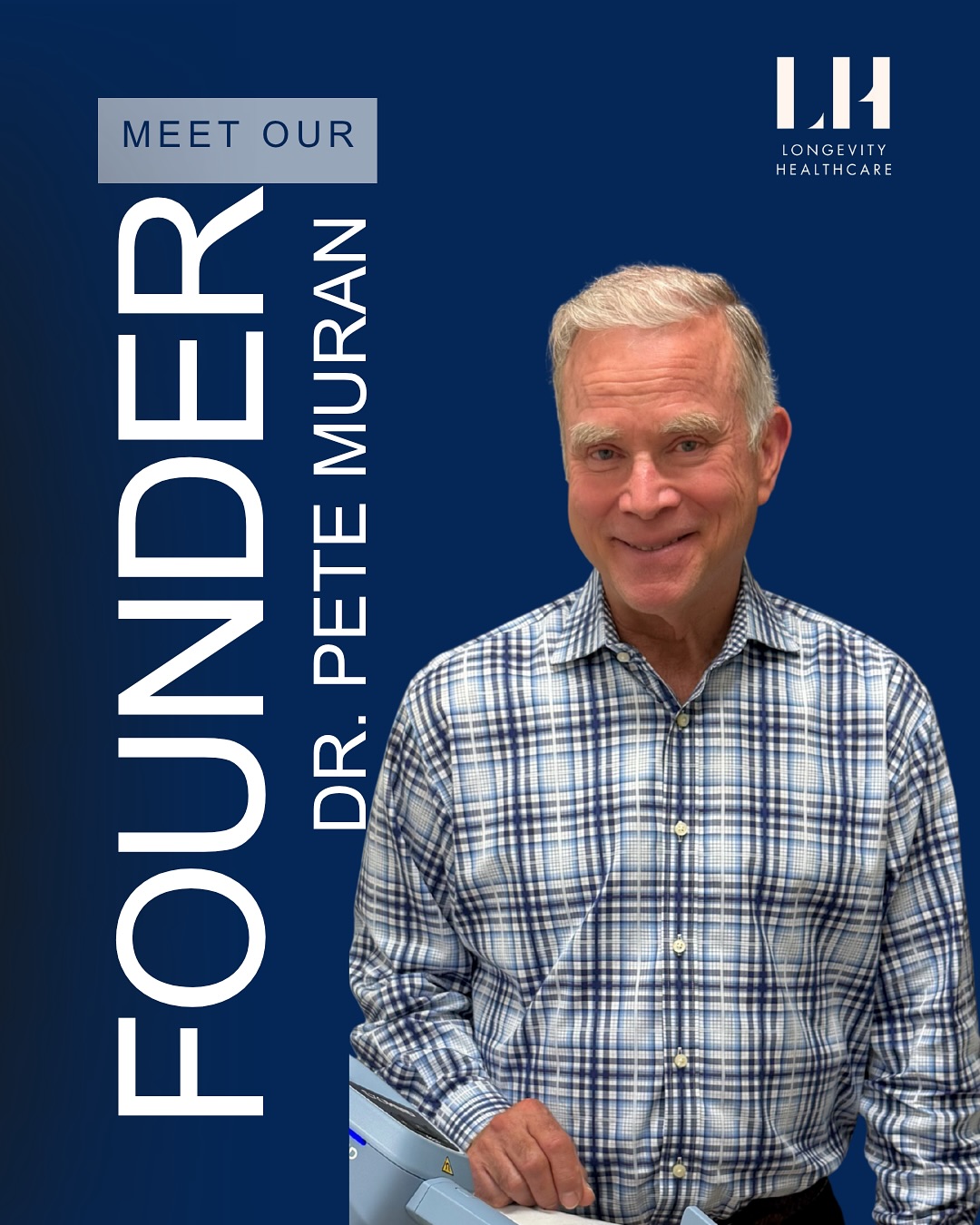
"Regenerative medicine represents the future of healing—activating your body's natural capacity to repair, regenerate, and optimize function at the cellular level. This isn't alternative medicine; it's precision biology."
Dr. Pete Muran
Founder, Longevity Healthcare


Longevity Healthcare
369 San Miguel Dr. Ste. 100
Newport Beach, CA 92660
Phone: (949) 899-5377